
Enhancing Performance How Custom Gear Reducers Transform Industries
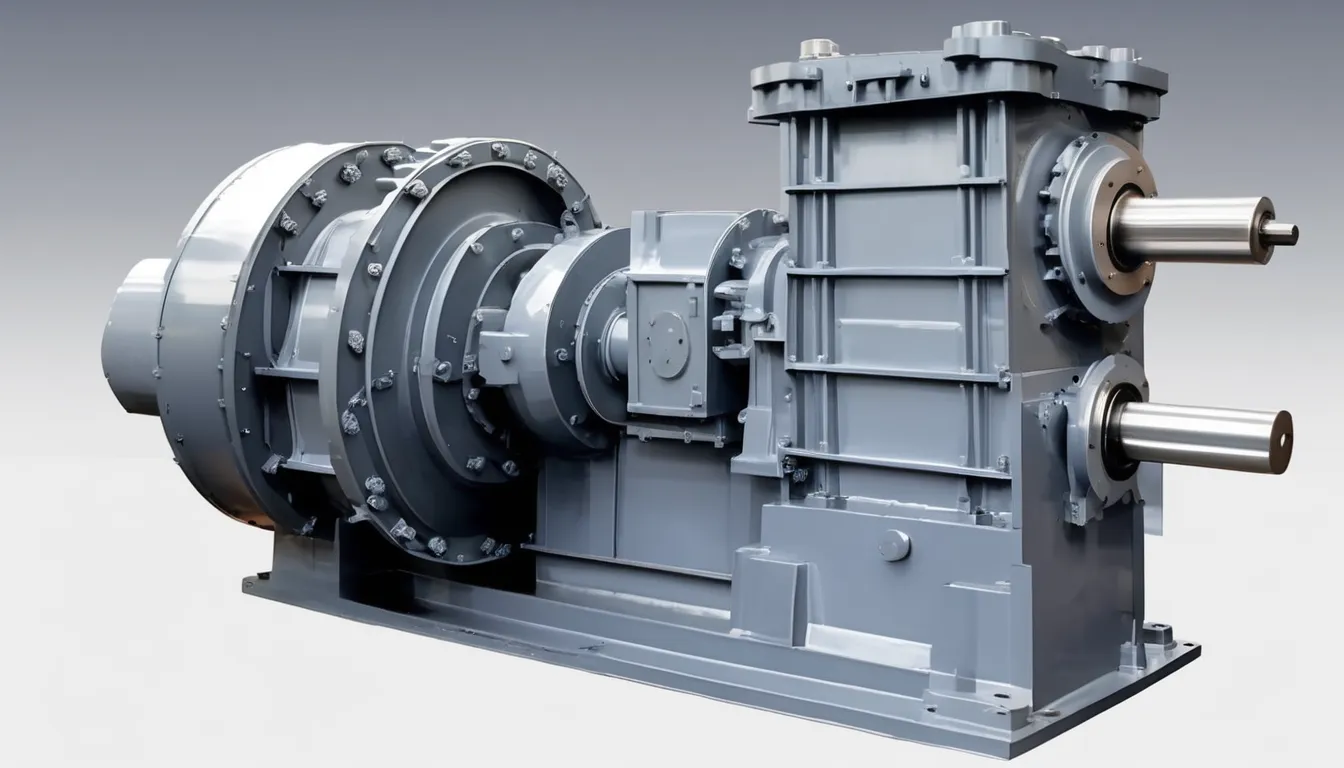
When you consider the efficiency of your operations, custom gear reducers might not be the first thing that comes to mind, but they could be a game-changer. By tailoring gear ratios to fit specific machinery needs, you can enhance performance and reduce downtime significantly. Industries from manufacturing to robotics are seeing tangible benefits, but the real question is how these innovations are reshaping the landscape of productivity. What if there’s more to this story that could directly impact your operations?
Understanding Gear Reducers
When you think about machinery, gear reducers play a crucial role in enhancing efficiency. These devices reduce the speed of a motor while increasing torque, allowing your machinery to perform at its best. You mightn’t realize it, but gear reducers are essential in various applications, from conveyor systems to robotics. They help transmit the right amount of power needed for precise movement and load handling.
By understanding how gear reducers work, you can appreciate their significance in optimizing performance. They consist of gears that mesh in a way that alters the output speed and torque. This gearing down process enables your systems to handle heavier loads without straining the motor.
Moreover, gear reducers come in various types, including worm, helical, and planetary designs, each tailored for specific applications. Choosing the right type depends on factors like load requirements and space constraints.
Benefits of Customization
Customizing gear reducers offers significant advantages that can enhance your machinery’s performance. When you tailor these components to your specific needs, you create a perfect match for your operational requirements. This not only boosts efficiency but also improves reliability, reducing the chances of unexpected breakdowns.
One of the key benefits of customization is the ability to optimize torque and speed. You can adjust the gear ratios to achieve the exact output you need, which helps in maximizing productivity. This means you won’t waste energy or time, leading to cost savings in the long run.
Another advantage is enhanced compatibility with existing machinery. Custom gear reducers can be designed to fit seamlessly into your current systems, eliminating the need for costly modifications or replacements. This ensures a smoother integration process and minimizes downtime during installation.
Moreover, customized solutions often come with improved durability. By selecting materials and designs tailored to your specific environment, you can increase the lifespan of your gear reducers, reducing the frequency of replacements and maintenance.
Applications Across Industries
Gear reducers play a crucial role in various industries, from manufacturing to robotics. They help optimize performance by adjusting speed and torque, ensuring machinery operates efficiently. In manufacturing, you’ll find gear reducers in conveyor systems, helping transport goods smoothly and reliably. In the automotive sector, they’re essential for electric vehicles, enhancing torque to deliver powerful performance.
Here’s a quick look at how different industries utilize custom gear reducers:
| Industry | Application | Benefits |
|---|---|---|
| Manufacturing | Conveyor Systems | Increased efficiency |
| Robotics | Robotic Arms | Precision movement |
| Automotive | Electric Vehicles | Enhanced torque and speed |
In the food and beverage industry, gear reducers manage mixing and bottling processes, ensuring consistency and quality. The aerospace sector relies on them for precise control in flight systems, enhancing safety and reliability. By incorporating custom gear reducers tailored to specific needs, you can significantly improve productivity and performance across multiple applications. So, whether you’re in logistics or aerospace, gear reducers are key components that drive efficiency and innovation.
Technological Advancements
Innovation is transforming the landscape of gear reducers, driving enhanced performance and efficiency in various applications.
You’ll find that these advancements aren’t just improving existing systems but also paving the way for new possibilities.
Here are four key technological advancements you should know about:
- Smart Sensors: Integrating IoT-enabled sensors allows for real-time monitoring and data collection, leading to predictive maintenance and reduced downtime.
- Advanced Materials: The use of lightweight, high-strength materials enhances durability and performance, enabling gear reducers to handle greater loads without increasing size.
- Precision Engineering: Innovations in manufacturing techniques allow for tighter tolerances and better gear meshing, which improves efficiency and reduces energy loss.
- Modular Designs: Customizable and modular gear reducer designs enable you to tailor solutions to specific needs, making them more versatile for various applications.
These advancements not only improve the performance of gear reducers but also contribute to the overall efficiency of systems across industries.
Future Trends in Gear Reduction
As technology continues to evolve, the future of gear reduction is shaping up to be even more dynamic and efficient.
You’ll notice a significant shift towards smart gear reducers, integrating IoT capabilities for real-time monitoring. This connectivity allows you to gather crucial data on performance and wear, enabling predictive maintenance that can save you time Custom Gear Reducers money.
Additionally, advancements in materials science are paving the way for lighter, stronger gear reducers. These innovations won’t only enhance durability but also improve energy efficiency, making your operations more sustainable.
You’ll likely see an increase in the use of additive manufacturing, allowing for custom designs that meet specific application needs without the constraints of traditional methods.
Automation is another trend that’s gaining traction. As industries adopt more automated processes, gear reducers will need to adapt to higher speeds and greater loads.
This means you’ll need to focus on gear reducers that can handle these demands while maintaining precision.
Conclusion
In conclusion, custom gear reducers are game changers for industries seeking to boost performance and efficiency. By tailoring solutions to fit specific needs, you can enhance reliability while minimizing maintenance. As technology advances, these reducers are set to become even more integral to manufacturing, robotics, and automotive sectors. Embracing these innovations now will not only keep you ahead of the curve but also ensure your operations run smoothly and effectively in an ever-evolving market.
Maintenance Tips for Industrial Gear Drives
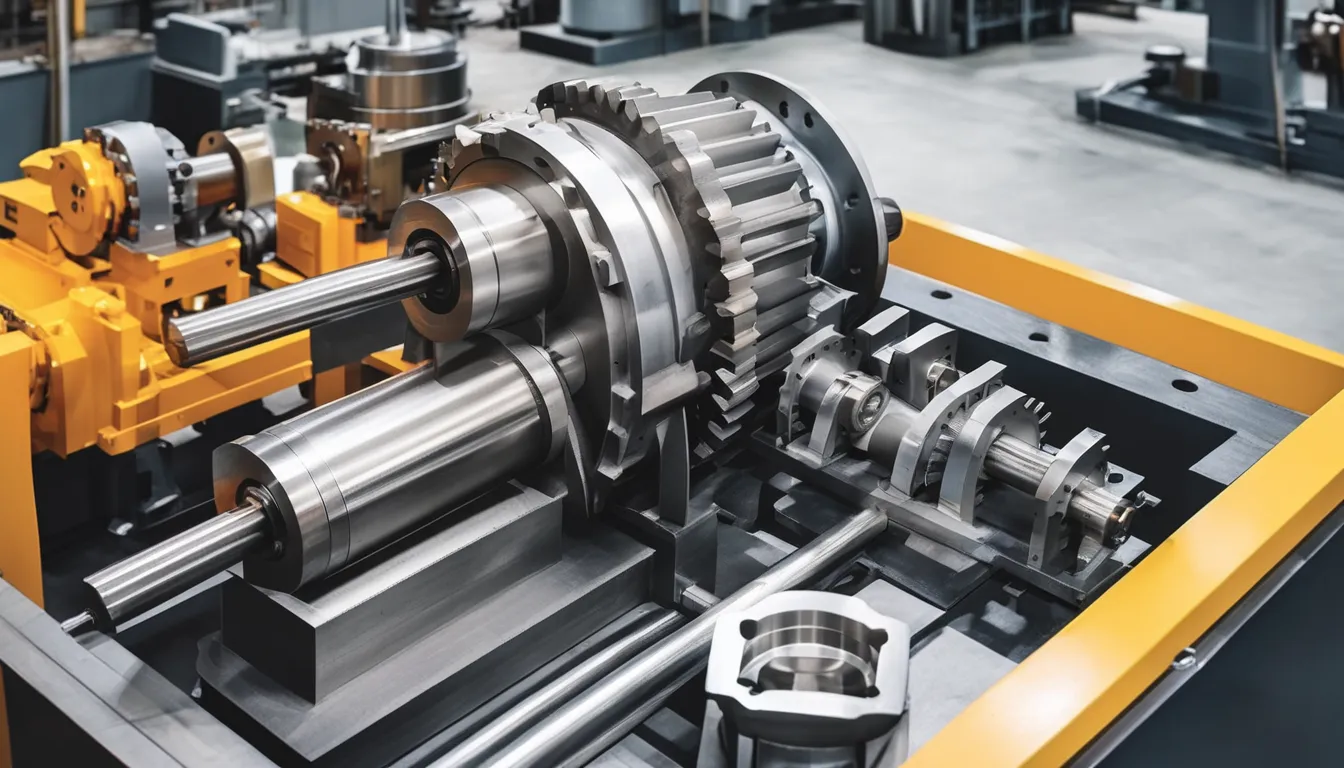
When it comes to maintaining industrial gear drives, you’ve got to stay proactive to ensure optimal performance. Regular lubrication is key, but it’s not just about adding oil—it’s about choosing the right type and sticking to a schedule. You’ll also want to incorporate vibration analysis and temperature monitoring to catch issues before they escalate. Visual inspections and proper gear alignment play crucial roles too. So, where should you start? Let’s break down these essential practices to keep your gear drives running smoothly and efficiently. Industrial Gear Drive.
Regular Lubrication Practices
When it comes to maintaining industrial gear drives, regular lubrication practices are crucial for ensuring optimal performance and longevity. You should make it a priority to check lubrication levels frequently. Insufficient lubrication can lead to increased friction, overheating, and, ultimately, gear failure.
Choose the right lubricant for your specific gear drive application. Different types of gear drives may require different lubricants, so consult the manufacturer’s guidelines to ensure compatibility.
It’s also essential to consider the operating environment; extreme temperatures or contaminants may necessitate specialized lubricants.
Implement a lubrication schedule that aligns with your operating conditions. Regularly inspect the lubricant for contamination or degradation, and replace it as needed.
Don’t forget about the lubrication method, whether it’s manual, automatic, or centralized; each has its advantages and should be selected based on your operational requirements.
Vibration Analysis Techniques
Regular lubrication practices not only enhance the performance of industrial gear drives but also facilitate effective vibration analysis techniques. By keeping the gears well-lubricated, you minimize friction and wear, which can lead to misleading vibration readings.
When you analyze vibrations, it’s crucial to use the right tools and methods to identify issues early. Start by employing portable vibration analyzers to capture data. These devices measure vibration levels across different frequencies, helping you pinpoint abnormalities.
Look for common indicators like amplitude and frequency changes that might suggest misalignment, imbalance, or mechanical looseness. You should also establish a baseline vibration signature for your gear drive during normal operation.
Regularly comparing current data against this baseline will allow you to detect any deviations, indicating a potential problem. Additionally, consider using time waveform analysis for a deeper understanding of the vibrations.
This technique helps you visualize how vibrations change over time, offering insight into the severity and nature of the issue. Ultimately, consistent vibration analysis, combined with regular lubrication, keeps your industrial gear drives running smoothly and efficiently.
Don’t overlook the importance of monitoring vibrations as part of your maintenance routine.
Temperature Monitoring Methods
Effective temperature monitoring methods are essential for maintaining the reliability of industrial gear drives. High temperatures can lead to premature wear, reduced efficiency, and ultimately, equipment failure. By implementing effective monitoring techniques, you can ensure your gear drives operate within optimal temperature ranges.
Here are some common temperature monitoring methods you can use:
| Method | Description |
|---|---|
| Infrared Thermography | Non-contact method that detects surface temperatures. |
| Thermocouples | Sensors that measure temperature via voltage changes. |
| RTDs (Resistance Temperature Detectors) | Accurate sensors that change resistance with temperature. |
| Bimetallic Temperature Gauges | Mechanical devices that expand or contract with temperature changes. |
| Data Loggers | Devices that record temperature over time for analysis. |
Gear Alignment Procedures
Getting gear alignment right is crucial for the smooth operation of industrial gear drives. Misalignment can lead to increased wear, reduced efficiency, and potential failure.
To ensure proper alignment, start by checking the manufacturer’s specifications for tolerances. Use a dial indicator or laser alignment tool to measure the alignment of the shafts.
When you’ve got your measurements, adjust the position of the gears as needed. You may need to shim or reposition the drive components. Once you’ve made adjustments, recheck the alignment to confirm you’re within acceptable limits.
It’s also important to secure all mounting bolts and ensure there’s no play in the system after adjustments. If your gear drive has multiple stages, check alignment for each stage.
Don’t forget to keep an eye on the alignment periodically, especially after any maintenance work or if you notice unusual vibrations. Regular checks can help you catch issues early, saving you time and money in the long run.
Inspection and Cleaning Routines
An essential part of maintaining industrial gear drives is establishing a routine for inspection and cleaning. Regular checks help you catch potential issues early, ensuring optimal performance and longevity. Start by visually inspecting the gear drive for signs of wear, leaks, or corrosion. Pay attention to any unusual noises during operation; they can signal underlying problems.
Next, create a cleaning schedule that aligns with the operational environment. Dust and debris can accumulate, affecting performance. Use the table below to help guide your inspection and cleaning routines:
| Inspection Task | Frequency | Notes |
|---|---|---|
| Visual Inspection | Weekly | Check for leaks and wear |
| Lubrication Check | Monthly | Ensure proper lubrication levels |
| Cleaning | Quarterly | Remove dirt and debris |
| Alignment Verification | Bi-Annually | Ensure alignment is maintained |
| Performance Review | Annually | Assess overall efficiency |
Conclusion
Incorporating these maintenance tips into your routine will keep your industrial gear drives running smoothly. By regularly lubricating, monitoring vibrations and temperatures, ensuring proper alignment, and maintaining a consistent inspection and cleaning schedule, you’ll enhance operational efficiency and minimize the risk of unexpected failures. Stay proactive and attentive, and you’ll extend the lifespan of your gear drives while improving overall performance. Remember, a little maintenance goes a long way in preventing costly downtime!