

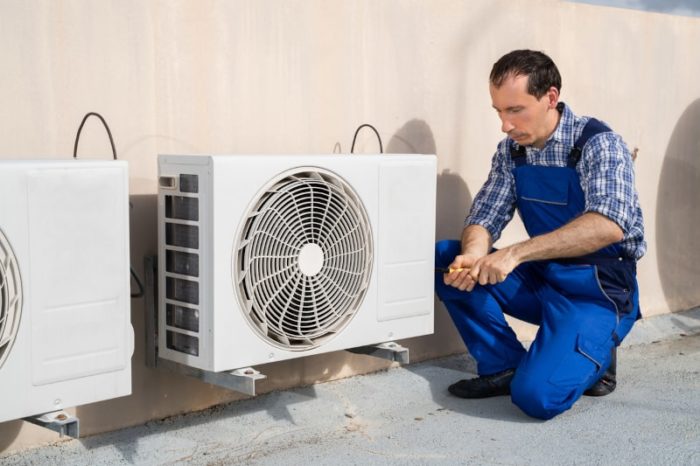
HVAC installation is a critical component of modern building design, ensuring comfortable indoor climates and efficient energy use. Whether for residential or commercial purposes, a properly installed HVAC system can significantly improve air quality, regulate temperature, and reduce energy costs. Understanding the essentials of HVAC installation is crucial for homeowners, contractors, and facility managers alike.
Understanding HVAC Systems
HVAC stands for Heating, Ventilation, and Air Conditioning. These systems are designed to maintain a comfortable indoor environment by regulating temperature, humidity, and air quality. HVAC systems come in various types, including central air systems, ductless mini-splits, furnaces, heat pumps, and hybrid systems. Each system has its specific installation requirements, efficiency ratings, and suitability depending on the building type and climate.
Before beginning any HVAC installation, it is essential to conduct a thorough assessment of the space. Factors such as square footage, insulation quality, window placement, and existing ductwork will influence the type and capacity of the HVAC system needed. Proper sizing is critical—oversized units waste energy and create inconsistent temperatures, while undersized units struggle to maintain comfort levels.
Planning the HVAC Installation
A successful HVAC installation begins with meticulous planning. Start by selecting the right system based on the building’s heating and cooling needs. Energy efficiency ratings, such as SEER (Seasonal Energy Efficiency Ratio) for air conditioners and AFUE (Annual Fuel Utilization Efficiency) for furnaces, should guide your decision. Higher-rated systems may have higher upfront costs but offer long-term savings through reduced energy consumption.
Next, design a layout for ductwork or piping if needed. For central HVAC systems, properly sized and routed ducts ensure even airflow and optimal system performance. Duct placement should minimize bends and obstructions to reduce energy loss. For ductless systems, careful placement of indoor units maximizes comfort and efficiency.
Compliance with local building codes and permits is another essential step in HVAC installation. Electrical wiring, gas connections, and venting must meet safety standards. Hiring a licensed professional ensures the installation adheres to regulations, preventing costly mistakes and potential hazards.
Step-by-Step HVAC Installation
-
Preparation: Clear the installation area, remove old equipment, and inspect the site for any structural issues. Verify that the electrical and plumbing connections are ready for the new system.
-
Positioning Units: Install the indoor and outdoor units as specified by the manufacturer. Proper positioning is critical for airflow, maintenance access, and system efficiency.
-
Ductwork and Piping: For central systems, install or connect ducts to the main units, sealing joints to prevent leaks. For systems using refrigerant lines, carefully route and insulate the piping.
-
Electrical and Control Connections: Connect the HVAC system to the power supply, thermostat, and control panels. Ensure all electrical connections are secure and comply with local codes.
-
Refrigerant Handling: For air conditioning and heat pump systems, charge the system with the appropriate refrigerant type and amount. Proper refrigerant levels are crucial for system performance and efficiency.
-
Testing and Calibration: Once installed, test the system to ensure it operates correctly. Check airflow, temperature consistency, and safety mechanisms. Adjust thermostat settings and verify that all components function as intended.
-
Final Inspection: Conduct a comprehensive inspection, checking for leaks, noise, vibration, and efficiency. Ensure that the system meets manufacturer specifications and local regulations.
Maintenance After Installation
An HVAC system is only as effective as its ongoing maintenance. Regular filter changes, duct cleaning, and seasonal inspections prolong the lifespan of the system and maintain efficiency. Neglecting maintenance can lead to higher energy bills, uneven heating or cooling, and frequent breakdowns.
Professional HVAC installers often provide warranties and maintenance plans. Utilizing these services ensures that any installation-related issues are promptly addressed and that the system continues to operate at peak performance.
Conclusion
HVAC installation is a complex but essential process for creating comfortable and energy-efficient indoor environments. Proper planning, professional installation, and ongoing maintenance ensure the system performs optimally and lasts for many years. Whether installing a new system or replacing an outdated one, investing time and resources into a thorough hvac replacement knoxville process pays off in comfort, safety, and energy savings. By following industry best practices and adhering to local codes, homeowners and businesses can enjoy reliable climate control year-round.
For anyone considering HVAC installation, working with licensed professionals and selecting the right system for your space is critical. A well-installed HVAC system not only improves comfort but also contributes to sustainability by reducing energy consumption and minimizing environmental impact.
